Is Simple Truth Organic Beef Grass Fed and Grass Finished
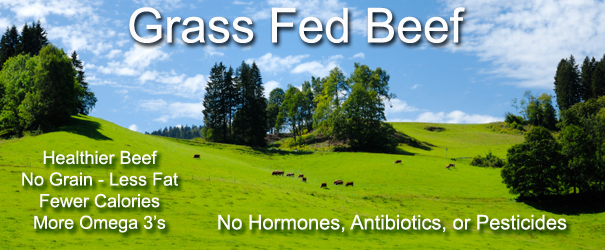
What is the difference between Grass-Fed Beef and Organic Beefiness?
There is a lot of overlap between organic and Grass Fed beef, considering both practices represent a dedication to raising healthier, less chemically-contaminated cows. However, non every cow raised on the pasture is USDA Certified Organic, and not every organic moo-cow is fed a 100% grass diet or allowed unlimited access to the range. If you lot have to choose between one or the other, it's of import to sympathize what each label means, and how they each affect the health of your family unit.
What Grass Fed Beef Means
Grass fed beef merely means that the cattle were allowed to fodder and graze for their ain fresh nutrient. They may exist given close substitutes like alfalfa during the wintertime, but unlike grain-fed animals, the emphasis is all the same on providing the closest thing to a natural diet as possible. Grains are higher in calories, and encourage the cows to grow much faster and cheaper, but grass is much higher in primal nutrients like Omega -3s and B vitamins, and effect in steaks that are leaner, healthier, and much more flavorful. This is why grass-fed meats are strongly recommended by the Paleo Diet. For a more extensive look at the benefits of grass fed beef, click hither.
What Organic Beef Means
The organic characterization doesn't so much depict how the cattle was raised as listing all the ways that they can't be raised. The cows cannot exist confined in a feed lot for any extended period of time, cannot exist over-crowded or kept in unsanitary conditions, and cannot be direct or indirectly exposed to artificial pesticides, fertilizers, antibiotics, hormones, GMOs, or other synthetic contaminants. Click here for more on the pregnant and benefits of organic beef.
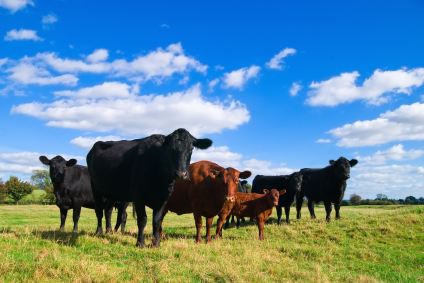 The Overlap: Some of the Benefits Without the Label
Certified organic beefiness can exist raised on a diet of corn or grain, but they must have at least some admission to a pasture, then at least some of their diet will probably come from grass. However, unless you talk to the farmer directly or practise your own laboratory analysis, it'south impossible to say how much. USDA Certified Organic guarantees that the beef will be free from artificial contaminants, and suggests that it might exist higher in nutrition as well.
Grass fed beef does have many of the benefits of organic beef, only as side effects to raising their cattle on a pasture. Because the cows are in their natural habitat, with admission to all of the open space you need to support a herd of cattle, their lives are more than humane, less stressful, and much more sanitary, which ways their immune systems are under less pressure, don't require bogus assistance, and their meat is much less likely to be contaminated with diseases like E. Coli. If antibiotics are used on grass-fed cattle, it'south only in rare cases when the animals are actually sick, not constantly like feed-lots take to use them. Why pay for gallons of antibiotics if your animals are healthy and make clean all on their own? Cows eat all kinds of plants on the pasture, including weeds, then it doesn't make sense to spray their pastures full of herbicides. Pastures are substantially wild, with their own counterbalanced ecosystem and plenty of aid from cow manure, then pesticides and bogus fertilizers are really unnecessary. While grass-fed, not-organic beef may be exposed to more chemicals than organic, it's certainly cleaner than conventional beefiness.
Remember: Organic Certification is Expensive!
A lot of small business, grass-fed cattle farmers really do care well-nigh quality, and raise their animals under conditions that would be certified as organic, if they could afford the characterization.
Grass-fed beef is a very simple characterization to regulate; either you feed the animals grass or y'all don't. Organic, on the other hand, is extremely circuitous. Information technology involves huge amounts of record keeping, proving that your land has not been exposed to artificial chemicals for at to the lowest degree three years, that the living conditions of the animals meet a multitude of standards, and that everything you feed the cattle besides comes from a certified organic source. It also means paying a USDA official to come up and double check your work every year, which not every farm is willing or able to pay. Just considering a grass-fed steak is not Certified Organic doesn't necessarily mean that it'southward of poorer quality.
Today, there are still just so many cattle farmers dedicated to producing this quality beefiness, many of them only families or individuals wanting to brand a difference. Nosotros cannot always guarantee that we volition have access to steaks and burgers that are both grass-fed and USDA Certified Organic, although we can assure you lot that we vet our suppliers thoroughly, and are always on the lookout for the very all-time product. Whether you go with grass-fed or organic beefiness, you'll be taking a big step towards improving your family's health and supporting quality food over cheap quantity.
Source: https://toplinefoods.com/grass-fed-beef-meat-vs-organic-beef-meat/
0 Response to "Is Simple Truth Organic Beef Grass Fed and Grass Finished"
Post a Comment